
6 Nicknames of EURO Football Teams: Decoding the Meaning Behind Legendary Names
Every EURO tournament brings an electric atmosphere and top-class matches, where Europe's leading national teams compete with courage, tactical discipline, and the ambition to lift the trophy. However, beyond the spectacular performances, nicknames of EURO football teams are also a topic that draws great interest from fans. Each name not only identifies a national team but also reflects its history, cultural identity, colors, and football philosophy, all shaped over many generations.
The Three Lions – A Symbol of Power for the England National Team
This is one of the most famous nicknames of EURO football teams, appearing throughout modern football history and closely associated with the pride of England.
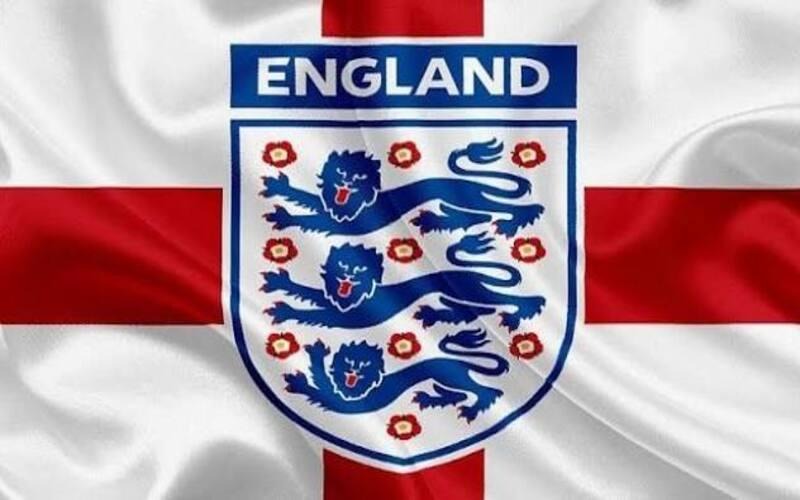
The Three Lions symbolize the power of the England national team
Origins in the British Monarchy
According to Vebo Link, the emblem of three golden lions on a red shield dates back to the reign of King Richard I, also known as Richard the Lionheart. This image represents the power, courage, and conquering spirit of the English monarchy during the Middle Ages.
When the Football Association (FA) was officially founded in 1863, the three-lion emblem was chosen for the national team's badge. Since then, the Three Lions have become a familiar name among fans around the world.
Meaning in Modern Football
Beyond representing history, the Three Lions also embody England's competitive ambition at every major tournament. Whenever the song "Three Lions" echoes through EURO stadiums, millions of supporters place their faith in a new generation of players, hoping to bring football home.
This cultural depth has kept the Three Lions among the most frequently mentioned nicknames of EURO football teams across EURO tournaments. And Về Bờ TV is a worthy platform for fans to follow the matches.
The Tank – A Symbol of Strength and Discipline
The German national team has long been renowned for its scientific approach, resilience, and remarkable ability to overcome adversity.
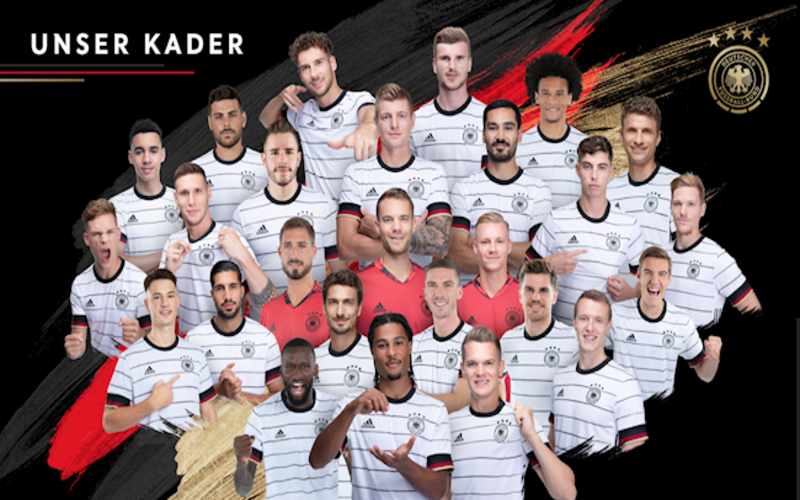
The Tank symbolizes strength and discipline
Why the Tank?
In fact, Germans commonly call their national team Die Mannschaft, meaning "The National Team." However, in many countries, particularly Vietnam, the image of the Tank is more popular because it accurately reflects the solidity and endurance of German football.
Their style of play always emphasizes organization, coordinated tactical execution, and a tenacious competitive spirit. Even in difficult circumstances, German players remain composed, gradually taking control of the match and looking for opportunities to turn it around.
The Values Behind the Brand
Germany's appeal lies not only in the number of titles it has won but also in a playing identity that has remained almost unchanged across generations. Tactical consistency, a well-structured development system, and strong team spirit make the Tank a title contender at every EURO.
Therefore, when Về Bờ TV mentions nicknames of EURO football teams, the Tank is always regarded as a symbol of strength, precision, and unmatched discipline in European football.
Gli Azzurri – A Proud Symbol of Italian Football
According to Vebo Link, unlike Germany's power or England's authority, Italy wins over fans with an artistic style of play and its distinctive blue shirt, which has become an icon in world football history.
Many fans wonder why Italy wears blue when the Italian flag contains only green, white, and red. In fact, the blue color comes from the House of Savoy, the dynasty that played an important role in Italy's unification during the nineteenth century.
To honor this historic milestone, the national team adopted blue as its traditional shirt color in 1911 and has retained it to this day. That distinctive color gave rise to the name Gli Azzurri, known to Vietnamese fans as the Sky Blue Squad.
The Red Devils – One of the Boldest Nicknames of EURO Football Teams
Among the nicknames of EURO football teams, this name has a powerful tone and reflects the fierce fighting spirit of the Western European representatives.
Origins of the Nickname
The nickname emerged in 1906 after Belgium's 3-2 victory over the Netherlands. After witnessing the players' passionate display in bright red kits, coach and journalist Pierre Walckiers compared them to "red devils." The name quickly spread and became a symbol of the national team.

The Red Devils are one of the boldest nicknames of EURO football teams
Meaning in the Modern Era
Across generations, particularly during the period of the "golden generation" featuring many world-class stars, Belgium has continued to establish its position on the international stage. When watching exciting matches and checking Tỷ lệ kèo trực tiếp bóng đá on VeboTV, fans often consider Belgium capable of surprising any opponent.
The Orange Tornado – The Pride of Dutch Football
The Orange Tornado has always been regarded as one of the most historically and technically significant nicknames of EURO football teams.
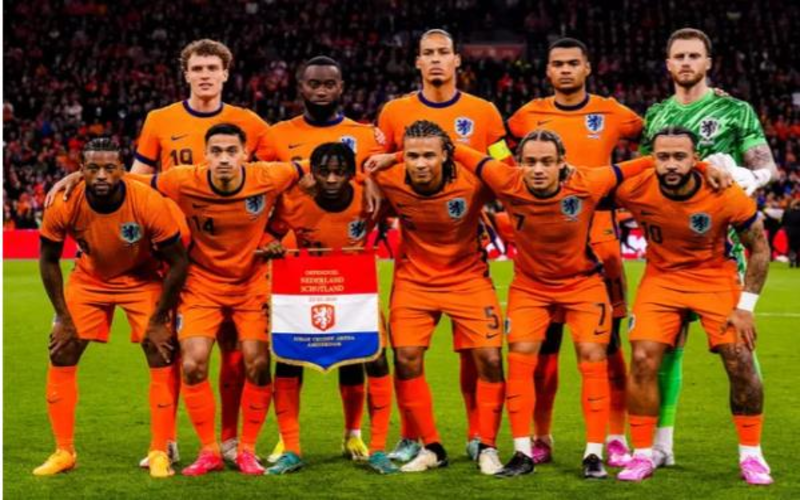
The Orange Tornado is the pride of Dutch football
A Distinctive Shirt Color with a Royal Legacy
Although the Dutch flag does not contain orange, the national team chose this color to honor the House of Orange-Nassau, the dynasty that played a major role in the country's formation. Over time, orange has appeared not only on the pitch but also throughout the stands whenever the team plays.
The Football Philosophy Behind the Brand
Beyond its distinctive shirts, the Netherlands has also made its mark with a creative attacking style, fluid positional interchange, and modern tactical thinking. This combination of cultural identity and a distinctive football philosophy has made the Orange Tornado an irreplaceable icon in EURO history.
The Gallic Rooster – A Traditional Symbol of the France National Team
France is commonly known by two familiar names: Les Bleus and the Gallic Rooster. Among the nicknames of EURO football teams, this name clearly reflects the combination of national history and modern football identity.
The Gallic rooster has been associated with France since ancient times, representing courage, determination, and pride. When it was incorporated into the French Football Federation's crest, the image quickly became a source of pride for supporters.
According to Về Bờ TV, in addition to its symbolic meaning, France is also renowned for a style of play that balances technique, speed, and power. From legendary generations to today's young squad, Les Bleus have consistently remained leading contenders at every EURO. Therefore, anyone exploring nicknames of EURO football teams should not overlook the story behind the Gallic Rooster.
Conclusion
Exploring nicknames of EURO football teams not only helps fans better understand the origins of each national team but also provides a comprehensive view of the cultural, historical, and competitive values behind every set of colors. If you regularly watch matches on Vebo or check live football betting odds before kick-off, you will see these nicknames repeatedly appear in news reports, analysis, and expert commentary.