
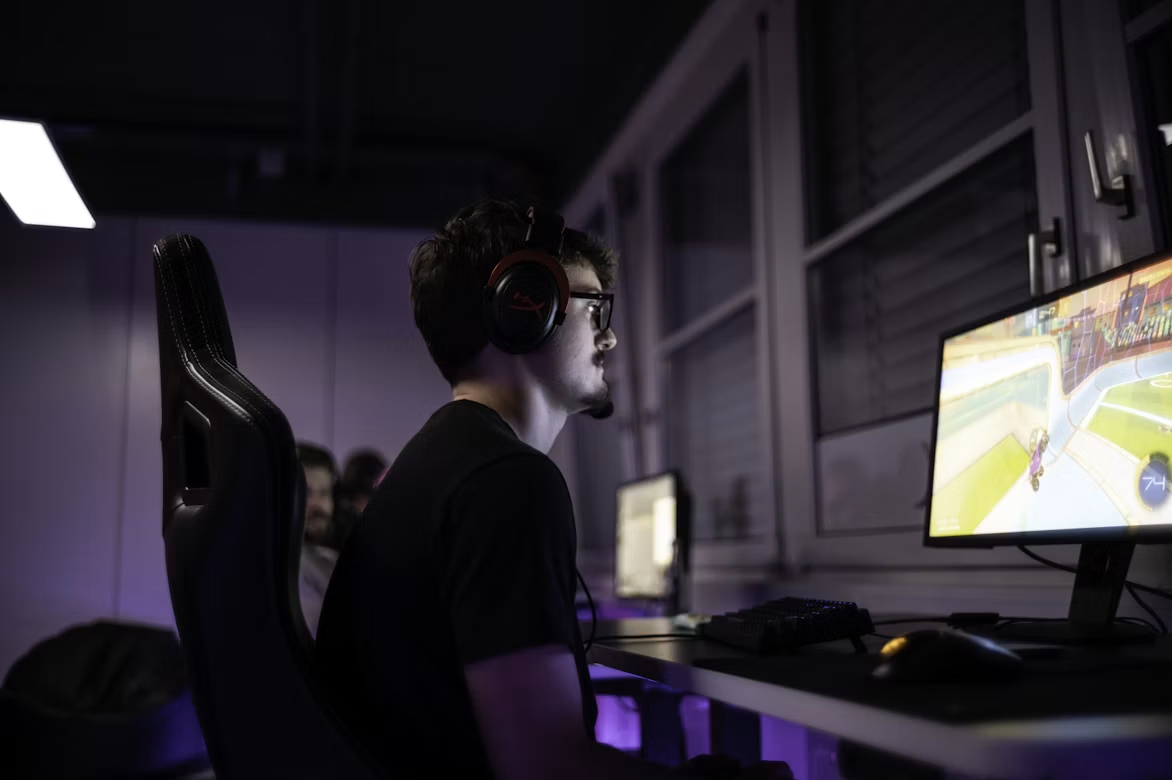
How to Analyze Your Gameplay for Improvement
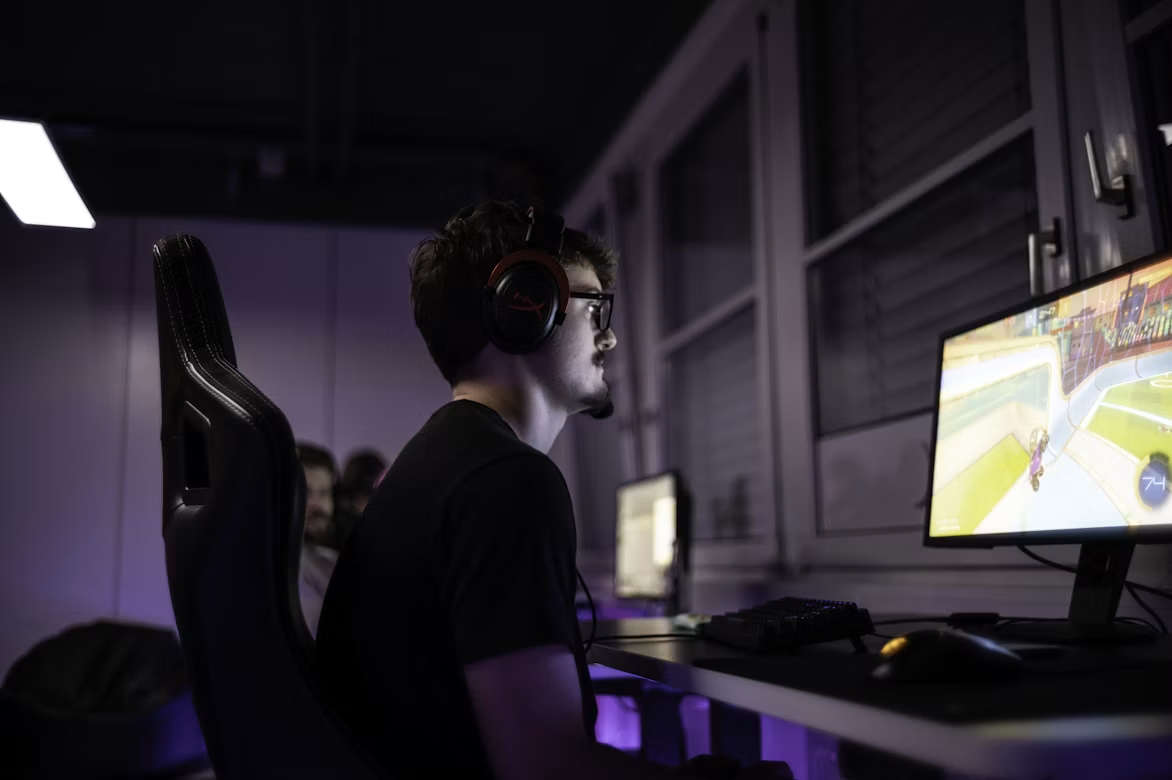
Most players lose the same way twice. Not because they're bad, but because they never actually looked at what went wrong the first time.
Gameplay analysis is the process of reviewing your matches, pulling out patterns in your mistakes, and turning those patterns into a plan. It sounds simple. It isn't, because most people watch their own replays the wrong way, or don't watch them at all.
This guide walks through how to actually break down your gameplay, what metrics are worth your attention, and how to avoid the mental traps that make self-review less useful than it should be.
Start With a Recording, Not a Memory
You can't analyze what you didn't capture. Most competitive titles now ship with built-in replay systems, and if yours doesn't, third-party recording software fills the gap easily enough.
Make sure your recording captures stable framerate and audio. That second part matters more than people think. Comms, or the lack of them, often explain a rotation gone wrong far better than the footage alone.
Once you've got a backlog of recordings, resist the urge to review your best game of the week. Losses and close matches teach you more. Pick games where you remember your thought process clearly, ideally something from the last day or two, before the details blur together.
Define One Focus Before You Hit Play
Here's where most self-review falls apart. Players open a VOD and just... watch. No plan, no question in mind, just passive viewing that feels productive but rarely changes anything.
Before pressing play, decide what you're actually looking for. Positioning? Ability timing? Decision-making around objectives? Pick one theme per session.
Trying to fix everything at once means you fix nothing. A narrow focus turns a 30-minute match into something you can actually learn from instead of just re-experiencing.
Watch Twice, Not Once
The first pass should be a straight run-through. Don't pause. Just note the moments where something clearly went sideways, a lost fight, a bad rotation, a death that swung momentum.
The second pass is where the real work happens. Slow the footage down, pause right before your key decisions, and ask three questions each time:
-
What information did I actually have at that moment?
-
What was I trying to achieve, and was that even the right goal?
-
What other options existed, and would they have worked better?
Sort what you find into categories: positioning, mechanics, resource management, communication. Vague notes like "I played badly there" don't help you six games later. Specific, categorized mistakes do.
Connect the Footage to Your Stats
VOD review tells you what happened. Stats tell you whether it's a pattern or a one-off. Both matter, and neither works well alone.
If you're grinding Valorant or CS2, headshot percentage, damage per round, and opening duel win rate are worth tracking over your last 20 games rather than your lifetime average. Lifetime stats hide recent trends. A rough week three months ago shouldn't be dragging down a number you're using to judge your current form.
MOBA players should watch CS per minute, kill participation, vision score, and objective control instead of obsessing over KDA alone. A high kill count with zero dragon or baron participation tells a pretty specific story about how you're spending your time on the map.
This is where a dedicated tracking setup earns its keep. Watching replays gives you the "why," but you need a consistent way to catch the "what" across dozens of matches without manually logging everything by hand. Plenty of players now build this into their routine by pairing VOD review with a platform that compiles match history and highlights the metrics tied to their role, turning scattered games into an actual trend line. Battlelog fits into that category of tools built around performance tracking, and if you want to see how a setup like that comes together, see the details here.
Turn Insight Into a SMART Goal
Finding a mistake is only half the job. The other half is translating it into something you can practice against.
Vague goals like "improve my aim" or "make better rotations" won't move the needle because there's no way to measure them. Specific, time-bound goals do.
For example: "Over the next 15 ranked matches, I'll stop wide-swinging in disadvantageous duels and hold tighter angles, targeting a 3% increase in headshot percentage compared to my last 30 games." That's something you can actually check off, week over week, against your tracked data.
Give yourself one to three goals max per review cycle. More than that, and you're back to trying to fix everything at once.
Don't Review More Than You Play
It's tempting to treat every single match like it deserves a full breakdown. It doesn't, and burning out on analysis kills motivation just as fast as tilt does.
A reasonable rule of thumb: keep review time to roughly 20 to 30% of your total playtime. If you're putting in an hour of matches, ten to fifteen minutes of focused review afterward is plenty.
Spacing your practice sessions out, rather than grinding review after review in one sitting, also tends to produce better long-term results than cramming everything into a single marathon session.
Watch Out for Your Own Bias
Self-analysis has a weakness nobody talks about enough: you're not a neutral observer of your own gameplay.
Tilt is the obvious one. A rough loss puts you in a frustrated state, and reviewing footage while frustrated skews everything toward blame, either at yourself unfairly or at teammates who probably didn't deserve it. If you just lost and you're annoyed, step away before you hit review.
Recency bias is sneakier. A bad streak of five games can convince you your fundamentals have collapsed, when really you're looking at a small sample size and probably some fatigue. This is exactly why leaning on tracked metrics matters; numbers don't get tilted, even when you do.
There's also a tendency to externalize blame, chalking losses up to bad teammates or matchmaking rather than decisions you actually controlled. Setting objective criteria in advance, like defining what counts as a positioning error before you start reviewing, helps keep your assessment honest.
Treat Mistakes as Data, Not Identity
Players who improve fastest tend to share one trait: they treat a bad game as information rather than a verdict on their skill.
That mindset shift changes how you engage with feedback, whether it's your own VOD notes, a coach's comments, or numbers on a dashboard. Instead of skimming past a stat that stings, you actually sit with it and ask why it's there.
Reviewing gameplay isn't about proving you're good or bad. It's about narrowing the gap between how you think you played and how you actually played, one focused session at a time.