
When Did the Premier League Start? History of the EPL
The history of English football dates back long before the Premier League. So, the question of when the Premier League started is not just about when it started; it's also about the evolution from the old First Division to the current league model. That event was 1992, when the top clubs defied the Premier League and formed a new league that would have more control over commercial deals and TV. Sign up at coi trực tiếp bóng đá as we take a trip to the past and see some of the milestones of the competition.
So, when did the Premier League begin and how did it come about?
The question of when the Premier League started is correct, but it is crucial to differentiate between its creation and the start of its first season. Clubs in the First Division formed the competition in 1992 when they decided to establish a new league. According to the official history, 22 clubs became founding members, including giants like Arsenal, Chelsea, Everton, Liverpool, Manchester United and Tottenham Hotspur.
The first season was called 1992/93 and kicked off Aug. 15, 1992. The Premier League, which had its own name, structure, and business model, was an important dividing line; top-flight English football existed before, but not the Premier League. So, when looking at achievements, you must make a distinction between English top-flight and Premier League titles.
This was the first season of the Premier League era in English football in 1992/93.
It’s a tale of the 92/93 Season and the First Champion.
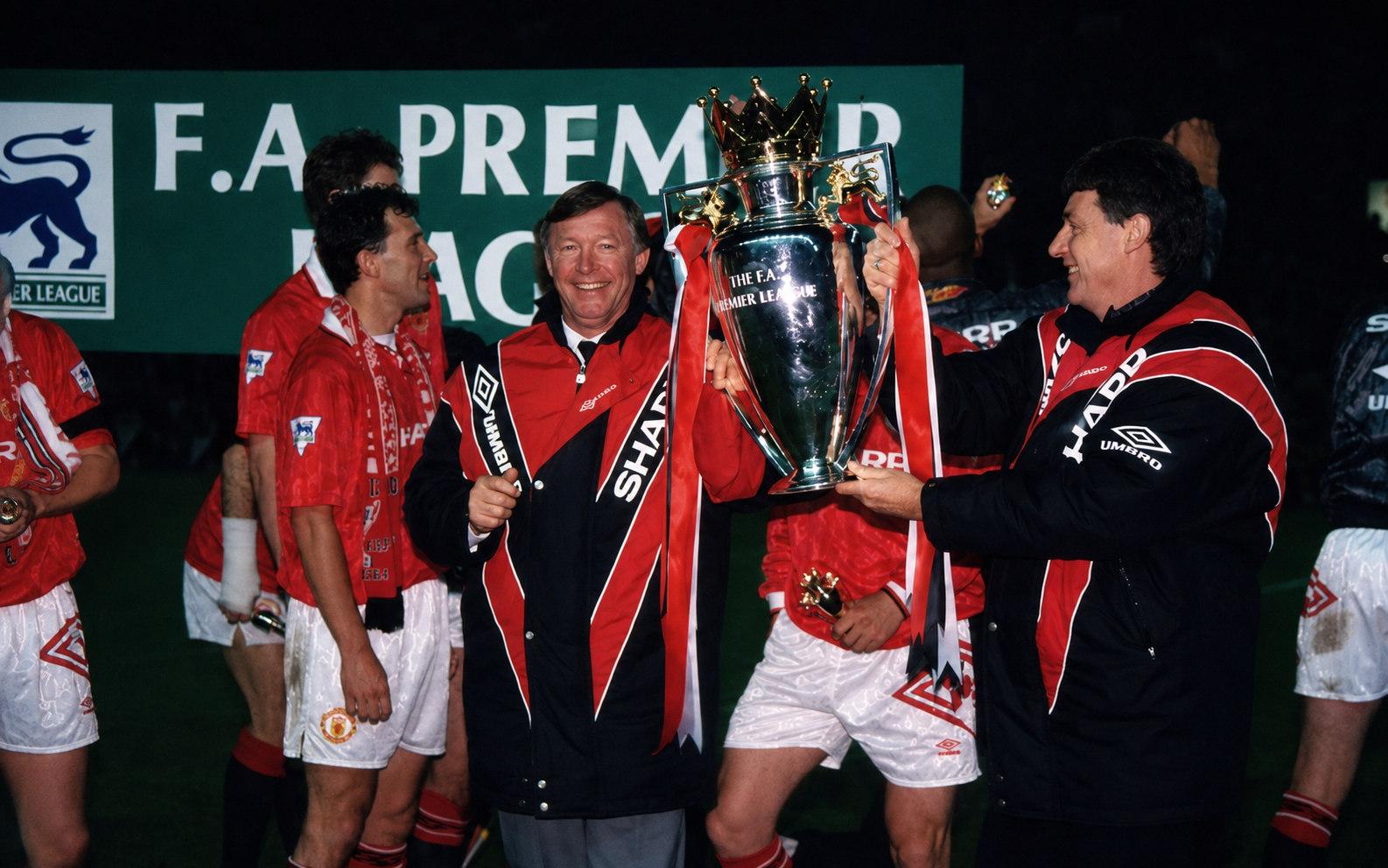
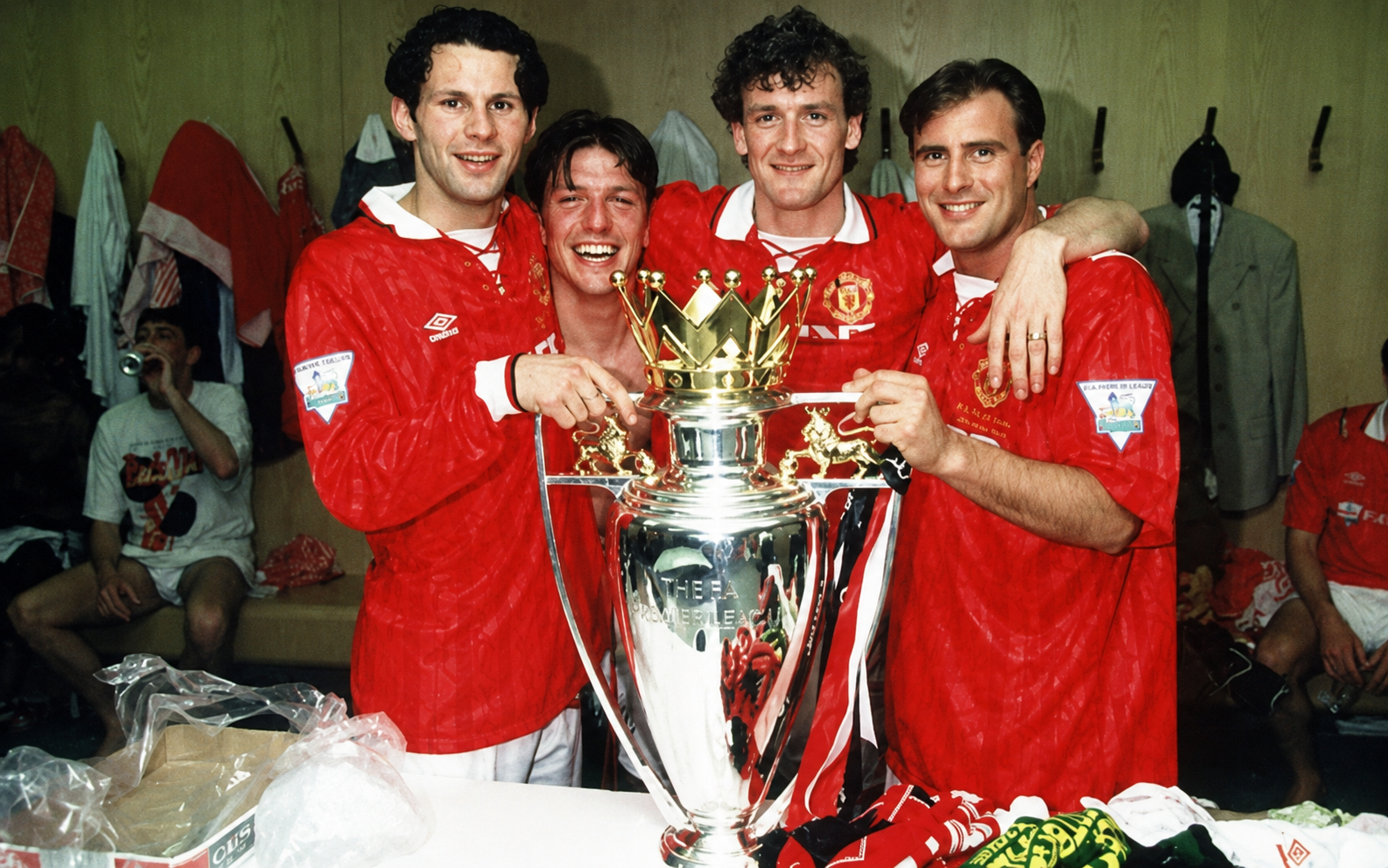
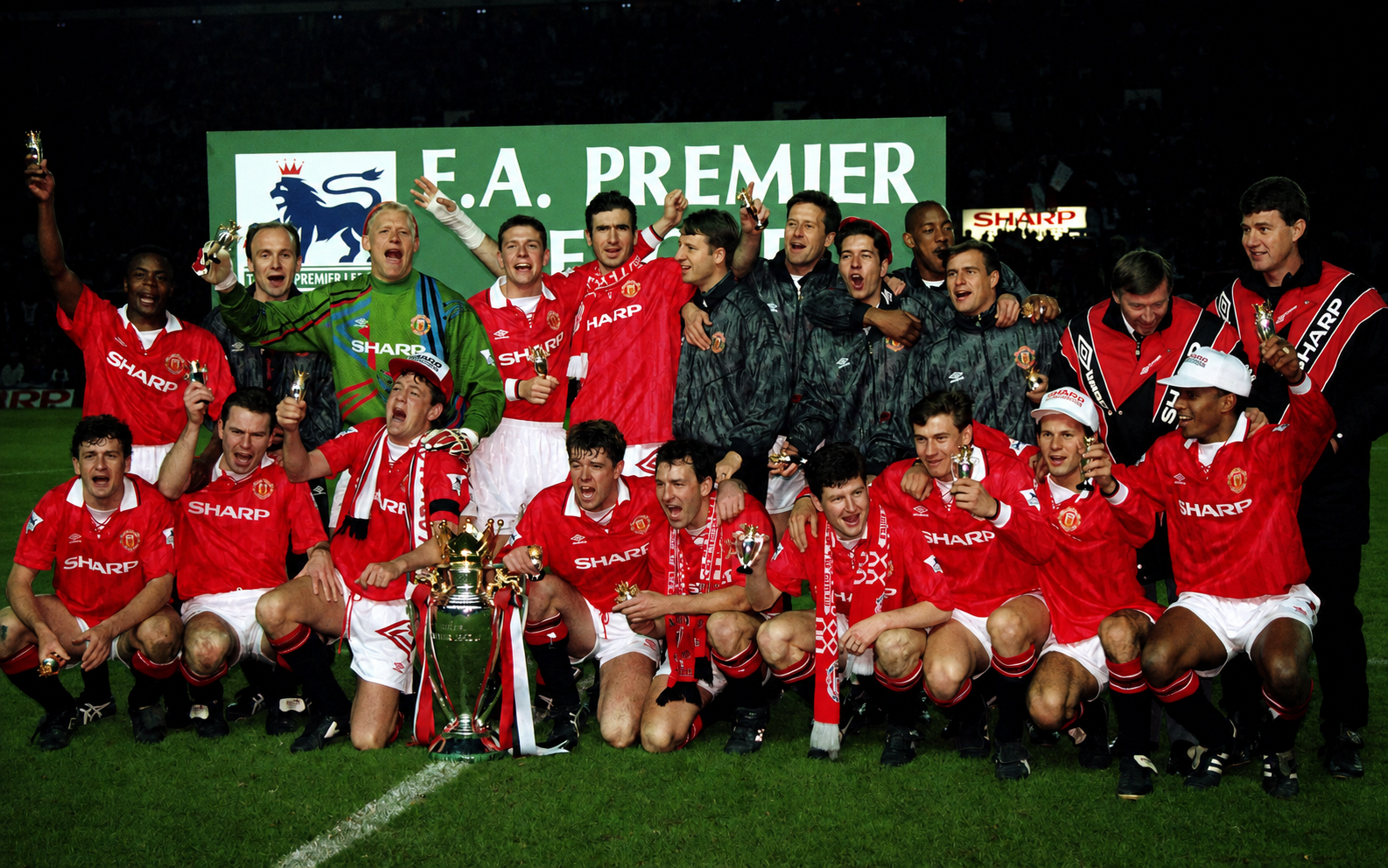
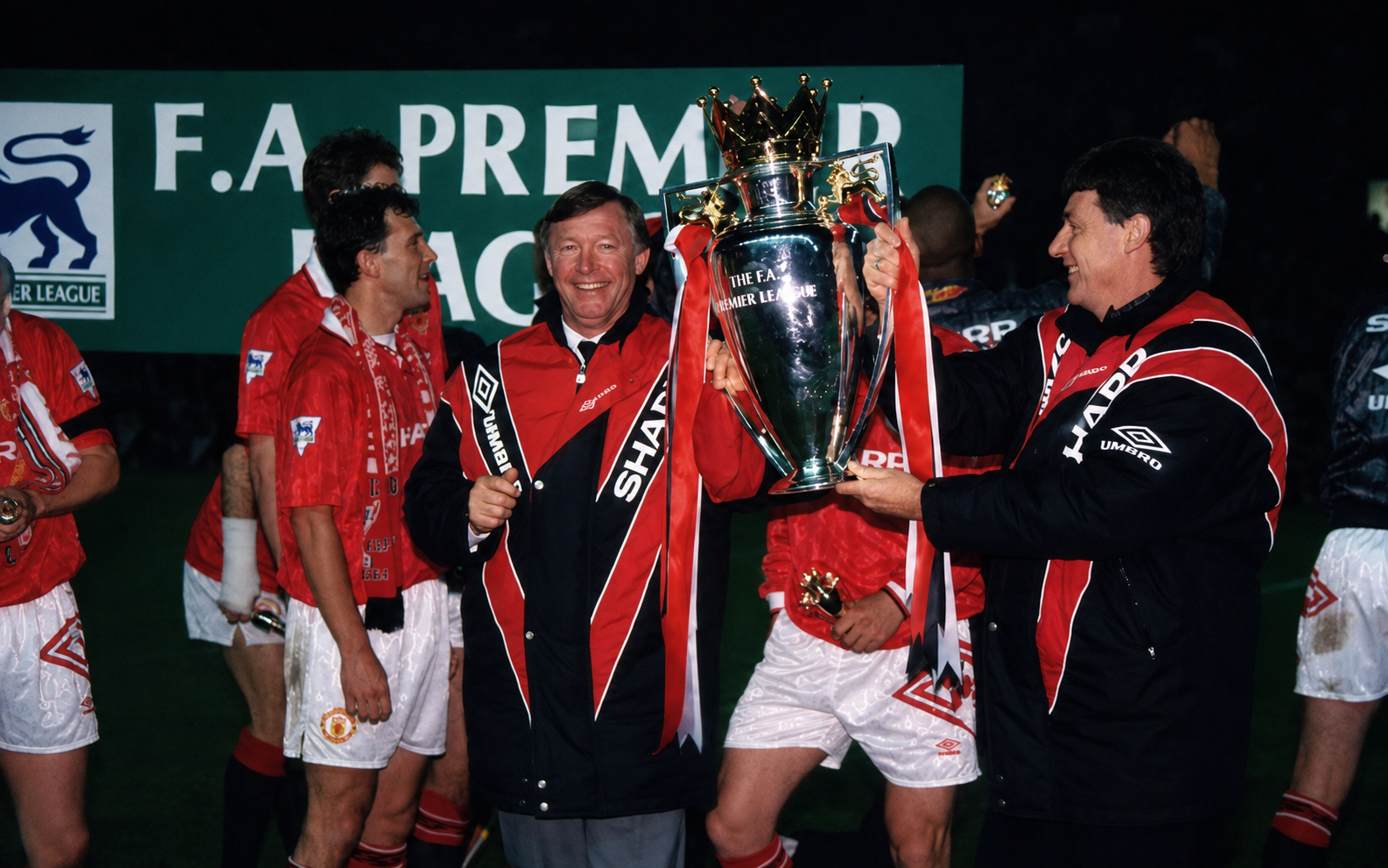
There were 22 teams in the first season. Manchester United, coached by Sir Alex Ferguson, claimed the first Premier League title after 26 years in a row of England's Premier League title drought. The first, the only, and the best came on the first weekend when Brian Deane fired Sheffield United's opener in the league's history. The Premier League table for the 1992/93 season had these recorded in its documentation.
This therefore has a close association with a peculiar anniversary for Manchester United and the question of when the Premier League started. The club was soon one of the dominant clubs of the 1990s. Those who are watching the records or reading the latest news on the sport will be able to identify the 1992/93 season as the first season to provide the Premier League statistics.
Since the Premier League's inception in 1992/93, Manchester United have won the title five times, in the first season and the following 4. Manchester United have won the inaugural season of the Premier League in 1992/93 and the next 4 seasons.
Why Was the First Division Replaced by the Premier League?
The Football League's highest tier prior to 1992 was the First Division. With the rise in the importance of television and sponsorship, larger clubs sought more control over their income. A new structure was added to the Premier League, giving the league a new commercial value and an international dimension.
There is a new format for 20 Teams from 22 teams.
Originally, the Premier League wasn't composed of 20 teams. There were 22 clubs in the first three seasons. The number was lowered to 20 in the 1995/96 season when four teams had been relegated from the previous season, and two teams had been promoted. The official league website says that ever since then it has been a 20-team setup.
Useful to newcomers to the Premier League when explaining when the Premier League began. It's the same number again, 1992, but in a 20-team format, it seemed only three years later. There are 20 clubs and each team will play 38 home-and-away games. This is because the number of matches played in the early seasons was higher than it is today.
The Premier League has been reduced to 20 teams from the 1995/96 season.
In what ways did the Premier League make its name?
The Premier League now reigns as the top tier of the English football system with 20 teams battling for the title. The three bottom teams get relegated to the Championship, which are replaced by three teams promoted from the Championship. The league also has a huge foreign fan base, which is mentioned on its official website.
The key moments in the history of the league.
The most successful in terms of title success is Manchester United in the Premier League era. The trophy has also been won by other football clubs including Arsenal, Chelsea, Manchester City, Blackburn Rovers, Leicester City and Liverpool, showcasing the power balance throughout the years.
The competition has been known to deliver surprises and Leicester City's 2015/16 title is a testament to that. The history of the league has been marked by the rivalry between Manchester United and Arsenal and then Chelsea, Manchester City and Liverpool. So it's important to know when the Premier League began in order to make sense of records in their historical context. Historical subjects such as these can also enhance viewers' understanding of tin tức bóng đá mới nhất Live before viewing games.
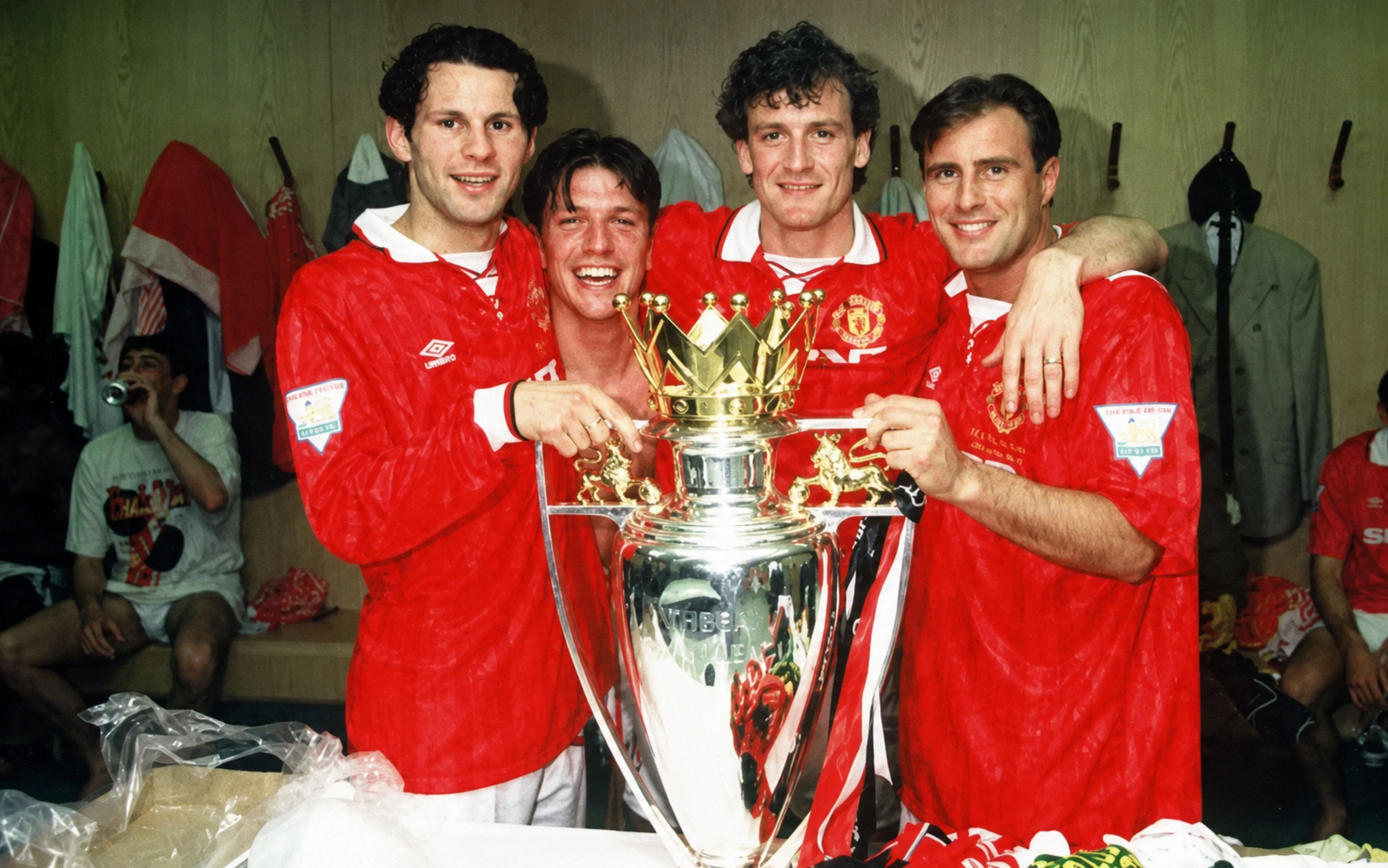
The Premier League trophy represents a very competitive title race in England.
How can the Premier League be distinguished from the English Top-Flight Titles?
It's a mistake to equate the Premier League with the whole of England's top-flight football history. In fact, prior to 1992, the most distinguished ranking was achieved via the First Division. This means that ‘English champions’ statistics can cover several decades of history, and Premier League statistics only start from the 1992/93 season.
With this simple formula in mind, the number 1992 should come to mind when asked when the Premier League began, while August 15, 1992 should spring to mind for the first season, and the 1995/96 season for the switch to 20 teams. These three milestones will prevent confusion in historical records or comparisons. Users of the Vaoroi TV Truc Tiep Bong Da should also look at the time period for each statistical table to determine which club has the better record.
Conclusion
The league then went back to 20 teams for the 1995/96 season and onwards. When asked, answer when did the Premier League start? Just remember the year 1992 and remember the differences between the Premier League and the history of English top-flight football that preceded it. This is a basis that enables fans to correctly read the achievements and records. It is also useful when comparing different generations of football in England.